The psychology of risk understanding the mind behind gambling choices
The Nature of Risk in Gambling
Gambling inherently involves risk, which can be both thrilling and terrifying. At its core, risk is the potential for loss coupled with the excitement of reward. This dual nature is what attracts many individuals to gambling venues, whether physical or online. The adrenaline rush that accompanies a bet can lead to an altered state of mind, where rational decision-making may take a backseat to emotional impulses. Players who are searching for enticing options can visit www.allcakedupbylisa.com for guidance on the best games and strategies.
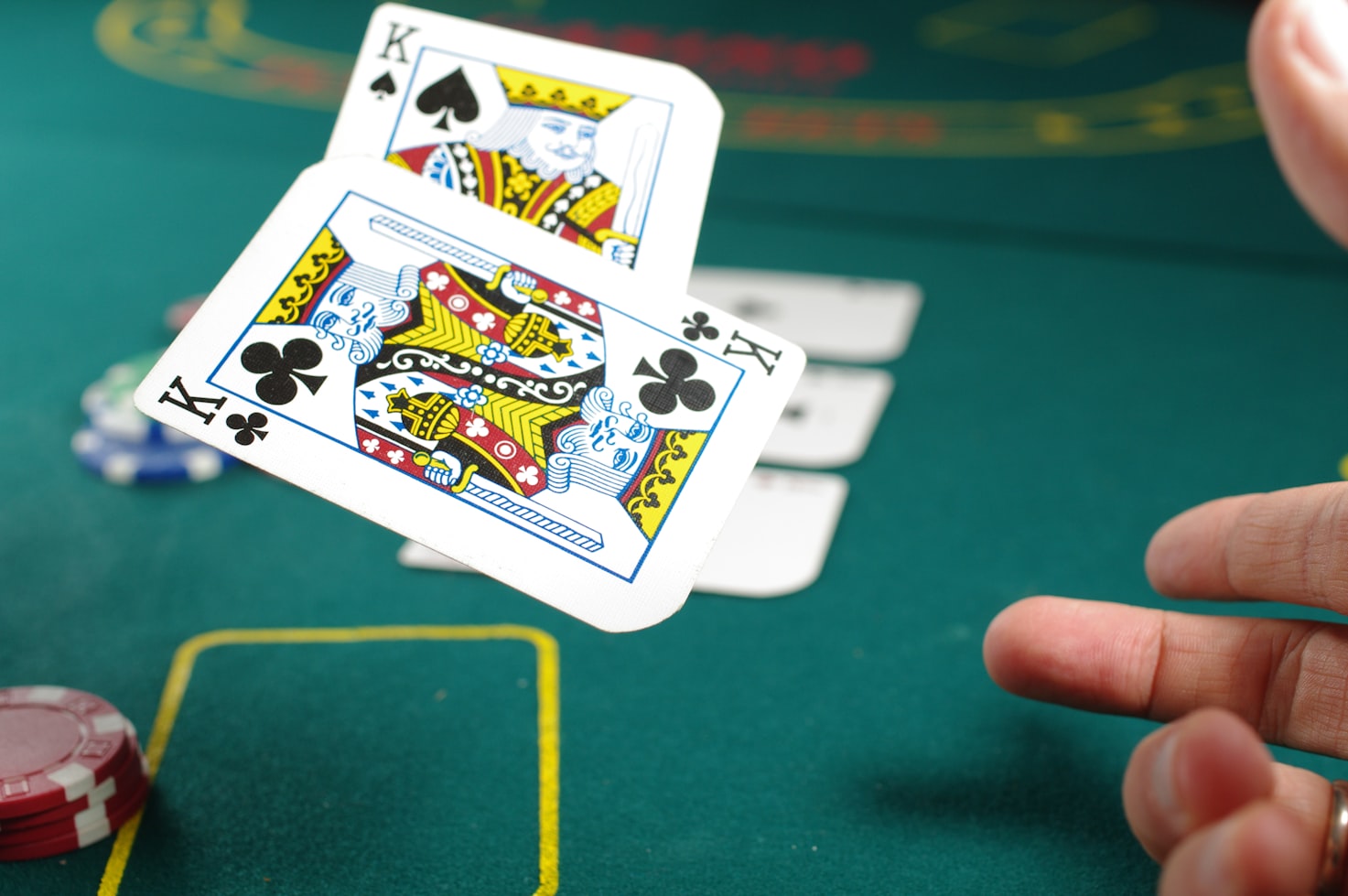
The psychological thrill of risk-taking can create a cycle of behavior that is difficult to break. Players may feel compelled to chase losses or seek out increasingly risky bets in pursuit of that elusive win. Understanding the factors that influence these decisions can help in recognizing the psychological patterns behind gambling choices, shedding light on why some individuals might become addicted while others gamble responsibly.
The Role of Cognitive Biases
Cognitive biases significantly shape gambling behaviors, often leading individuals to miscalculate their chances of winning. For instance, the illusion of control may lead a player to believe they can influence the outcome of a game, even when it is purely chance-based. This misconception can encourage more frequent gambling, as players feel empowered to make decisions that are ultimately beyond their control.
Another common bias is the gambler’s fallacy, where individuals believe that past events will influence future outcomes. For example, if a player experiences several losses in a row, they might assume they are “due” for a win, prompting them to bet more heavily. Recognizing these biases is crucial for understanding how they can distort perception and lead to potentially harmful gambling behavior.
The Impact of Emotion on Gambling Choices
Emotions play a pivotal role in decision-making, particularly in high-stakes environments like casinos. Feelings of excitement, stress, or even boredom can heavily influence a gambler’s choices. When emotions run high, individuals may be less likely to follow a rational betting strategy, opting instead for impulsive decisions that can lead to significant losses.
Moreover, the social environment surrounding gambling can amplify emotional responses. Whether at a bustling casino or in an online gaming community, the atmosphere can evoke feelings of camaraderie or competition, further complicating decision-making. Understanding these emotional triggers can empower gamblers to make more informed choices and implement strategies to mitigate impulsive behavior.
The Influence of Environment on Gambling Behavior
The environment in which gambling takes place can greatly affect a player’s mindset and choices. For example, brightly lit casinos with upbeat music are designed to create a euphoric atmosphere that encourages spending. This manipulation of sensory experiences can heighten excitement and risk-taking behavior, as players become more immersed in the experience.
Online gambling environments also play a significant role in shaping behavior. The convenience of playing from home can lead to prolonged gambling sessions, increasing the likelihood of losses. Understanding the impact of environmental cues can help gamblers recognize potential traps and make more conscious choices regarding their gambling habits.

Responsible Gambling and Support Resources
While the allure of gambling can be strong, it is vital to approach it responsibly. Many online platforms now offer resources and tools aimed at promoting safer gambling practices. These may include self-assessment tests, deposit limits, and access to support networks. Educating oneself about these resources can empower players to make healthier choices and enjoy their gambling experiences without crossing into problematic behavior.
Engaging with support groups and seeking professional help when necessary can also be beneficial. There are various organizations dedicated to helping individuals navigate their gambling habits, providing guidance and assistance in developing healthier relationships with risk. Ultimately, understanding the psychology behind gambling choices is the first step toward fostering a balanced and enjoyable gaming experience.
Leave a Reply